



Black Rhinoceros
The black rhinoceros is a mammal belonging to the family Rhinocerotidae in the order Rhinoceros, also known as the black rhinoceros or the pointed snouted rhinoceros. Strong and robust in physique, with skin ranging from brown to gray, and sparse and hard fur; The skin is thick and rough, with less obvious wrinkles on the shoulders and waist compared to Indian rhinoceros, and there are no wart like protrusions on the surface of the body; The ears are oval in shape, with a thick and long head and a short and thick neck; The upper part of the nose has solid anterior and posterior double horns, with the largest anterior horn measuring up to 1.4 meters in length; There is a sharp protrusion in the middle of the upper lip that can stretch and curl. Males have a slightly larger body weight than females. Black rhinoceros is mainly distributed in vast areas of eastern, central, western, and southern Africa. Often feeds on the tender branches, leaves, and fruits of woody plants, especially fond of eating acacia, and occasionally eats green grass.

Black Rhinoceros
The black rhinoceros is a mammal belonging to the family Rhinocerotidae in the order Rhinoceros, also known as the black rhinoceros or the pointed snouted rhinoceros. Black rhinoceros is mainly distributed in vast areas of eastern, central, western, and southern Africa. It mainly inhabits mountainous areas near water sources, usually in dense multi spine shrubs or Robinia pseudoacacia shrubs. Often feeds on the tender branches, leaves, and fruits of woody plants, especially fond of eating acacia, and occasionally eats green grass. Living alone or forming small groups. The black rhinoceros was once the most abundant species in the rhinoceros family, with an estimated 850000 individuals in history. Due to uncontrolled hunting, habitat loss, and recent poaching, the number has dropped to less than 2000.

Tolypeutes tricinctus
The Brazilian three banded armadillo is a species of armadillo unique to Brazil. The shell is divided into three parts, with the front and back parts covered by a single non stretchable bone scale. The middle part of the scale is in a band shape and connected to the muscles, allowing for free expansion and contraction. You can curl up your body into a ball shape to defend against natural enemies; Lifetime growth. Distributed in Brazil, inhabiting different living environments such as forests, grasslands, and semi deserts. I enjoy nighttime activities, am good at digging underground holes, and am also skilled at swimming. Fulai Ge "is the mascot of the 2014 Brazil World Cup, based on a Brazilian three armed armadillo, which is a unique species of Brazil.

tiger
It is a large feline in the mammalian class, with nine subspecies and significant differences in body size and morphology between each subspecies. The Siberian tiger is the largest, with a male body length of up to 3.7 meters and a weight of 423 kilograms. The Sumatran tiger is the smallest living subspecies, with a male tiger measuring 2.34 meters in length and weighing 136 kilograms. Tigers are typical mountain forest dwelling animals that can thrive in tropical rainforests and evergreen broad-leaved forests in the south, as well as deciduous broad-leaved forests and mixed coniferous and broad-leaved forests in the north. Due to human hunting and fragmentation of wild habitats, tigers have become rare and endangered species. A 2016 survey showed that there were 3890 wild tigers worldwide.

tiger
It is a large feline in the mammalian class, with nine subspecies and significant differences in body size and morphology between each subspecies. The Siberian tiger is the largest, with a male body length of up to 3.7 meters and a weight of 423 kilograms. The Sumatran tiger is the smallest living subspecies, with a male tiger measuring 2.34 meters in length and weighing 136 kilograms. Tigers are typical mountain forest dwelling animals that can thrive in tropical rainforests and evergreen broad-leaved forests in the south, as well as deciduous broad-leaved forests and mixed coniferous and broad-leaved forests in the north. Due to human hunting and fragmentation of wild habitats, tigers have become rare and endangered species. A 2016 survey showed that there were 3890 wild tigers worldwide.

Otter
Otter is a mammal of the genus Otter in the order Carnivorous, family Italidae. Otters are also known as otter cats, fish cats, water dogs, water wool, and water monkeys. Otters are distributed throughout China, including Europe, Asia, and northern Africa. Otters are semi aquatic animals that often inhabit rivers, lakes, or streams, as well as their banks. They can even be found in rice paddies and are more common in areas with gentle water flow. Otters mainly feed on fish. Due to poaching and other issues, otters face significant threats to their survival in countries such as Asia, and their overall population is declining. The otter is now listed in China's "National Key Protected Wildlife List" and recognized as a second-class protected animal in the country.

Camel (male)
Camel deer is a mammal of the camel genus in the family Camelidae of the order Artiodactyla. Camel deer have a larger body size, generally ranging from 2-2.6 meters in length.. The moose is named after its hump shaped back hump and horn shaped lower jaw. Camel deer are distributed in subarctic regions such as Russia, Northern Europe, and North America, and are also found in the Greater and Lesser Khingan Mountains of Northeast China. Camels have a high status in many cultures. However, due to hunting and habitat destruction, the number of moose has decreased, and it is now listed in China's "National Key Protected Wildlife List" and recognized as a first level national key protected animal.

Mountain Zebra
The mountain zebra is the smallest species of zebra and also the earliest named zebra. Zebras are mammals of the genus Macroma in the order Quetziformes. They can be divided into three subspecies based on their body size and stripes, namely fine striped zebras, mountain zebras, and common zebras. Zebras are native to eastern, southern, and southwestern Africa, mainly inhabiting tropical and subtropical forests and grasslands. Zebras are social animals, usually living in groups of dozens or hundreds, and they go to ponds or streams to drink water in the morning and evening. Zebras are rare ornamental animals that people pursue for their skin and meat, and have been hunted in large numbers. Fine striped zebras are now on the brink of extinction.

armadillo
Armadillo is a mammal of the family Armadillidae in the order Heterodontoides. The armadillo is named after the nine layered ribbon on its body. Armadillos are distributed in the southern tip of South America, along the Caribbean coast, and on the Central American continent. Armadillos are burrowing animals that live underground, hiding during the day and coming out at night. They have poor vision but excellent sense of smell and can accurately locate ant nests. Scientists have extracted leprosy bacteriocins from it to produce leprosy vaccines, which has played a great role in promoting human control of leprosy. Moreover, armadillos are easy to domesticate and are one of the precious animals in modern medical experiments.
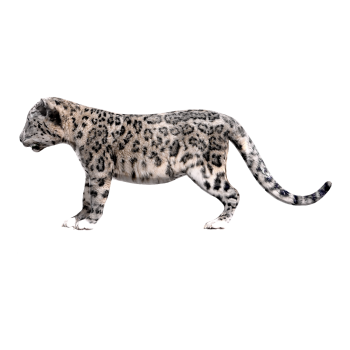
Snow leopard (cub)
It is a large feline that often moves near the snow line and between snowy areas, hence the name "snow leopard". Snow leopards are distributed in the Qinghai Tibet Plateau, the Pamirs Plateau, the Tianshan Mountains, the Altai Mountains and other high mountain areas in western China and eastern Central Asia. Its fur is gray white with black spots and rings, and its tail is long and thick, making it an excellent protective color among rocks. It is known as the "King of Snow Mountains".
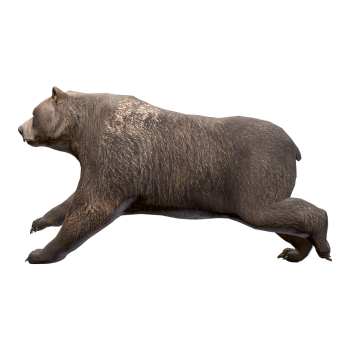
Brown bear
The brown bear is a mammal belonging to the genus Ursa in the family Ursidae. He has a strong physique, with raised shoulders and a short tail behind him. The fur color is mostly brown or brownish yellow; Elderly individuals appear silver gray in color; Childhood is brownish black. The lifespan under wild conditions is 20-30 years. Brown bears are widely distributed, mainly in Eurasia and North America. In China, they are mainly found in Xinjiang, the Qinghai Tibet Plateau, and the mountainous areas of Northeast China. Strong adaptability, able to survive tenaciously from the edge of deserts to high mountain forests, and even ice fields. Omnivorous type. The only mammal that can go without eating, drinking, urinating, or defecating for six months or even longer is a second-class protected wild animal in China.

Sika deer
The spotted deer is a mammal of the deer family in the order Artiodactyla, also known as the spotted deer. Named after the white spots resembling plum blossoms in summer. The lifespan is generally about 20 years. Sika deer are distributed along the Pacific coast of Japan and Russia. In China, it is mainly distributed in mountainous areas such as Northeast China, Xiaoxing'an Mountains, Changbai Mountain, and East and South China. Group living, preferring to inhabit mountain forests or forest surroundings, often active in the early morning and dusk to forage, and resting in forests or more secluded places during the day. Due to human indiscriminate killing, the number has sharply decreased. Belonging to the first-class protected animals in China, overfishing is prohibited..

Grey Wolf
Wolves are carnivorous animals in the family Canidae. There are a total of 11 subspecies. Medium and symmetrical body shape, slender limbs, toe mobility, conducive to fast running. Habitat in forests, deserts, mountains, cold grasslands, coniferous forests, and grasslands. It is a nocturnal animal that is good at running quickly and over long distances. It prefers to live in groups and often curls up alone or in pairs in caves during the day. However, it also comes out for activities during the day in sparsely populated areas. Carnivorous, feeding on herbivores and rodents. Except for Antarctica and most islands, it is distributed all over the world. Listed as a second-class species in China's National Key Protected Wildlife List (February 5, 2021).

Blue Whale
Blue whale is a marine mammal belonging to the family of baleen whales and the genus of baleen whales. There are four subspecies in total. The blue whale is considered the largest animal known to have lived on Earth, measuring up to 33 meters in length and weighing 181 tons. Usually, blue whales need to forage in waters deeper than 100 meters during the day and can only reach the surface to forage at night. Distributed in all four oceans.
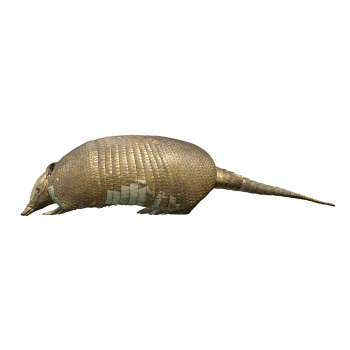
Armadillo specimen
Armadillo is a mammal of the family Armadillidae in the order Heterodontoides. The bone armor covers the head, body, tail, and outer legs. The bone armor in the head, front half, and back half is separated, and the bone armor in the body forms a band shape, allowing for flexible movement; Having sparse hair in areas of the body without bone armor; There are strong claws on the front foot. The armadillo is named after the nine layered ribbon on its body. A armadillo can eat 100 kilograms of poisonous spiders, scorpions, ants, beetles and other insects in a year, which plays a positive role in pest control to a certain extent.

Popular Models

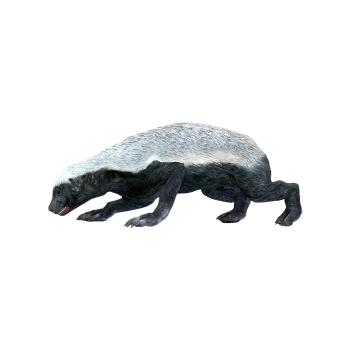
Honey Badger (3D animated model)
192 View
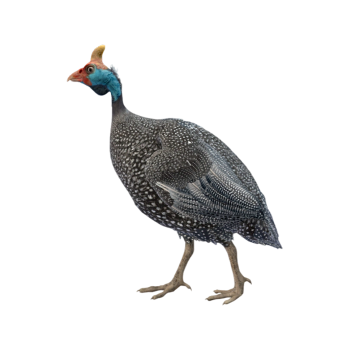
Guinea fowl (3D animated model)
163 View
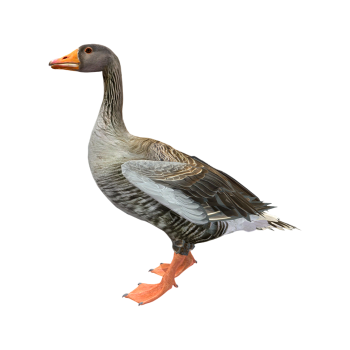
Wild Goose (3D animated model)
185 View
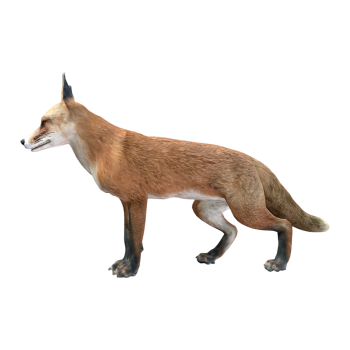
Red Fox (3D animated model)
153 View
Random Model
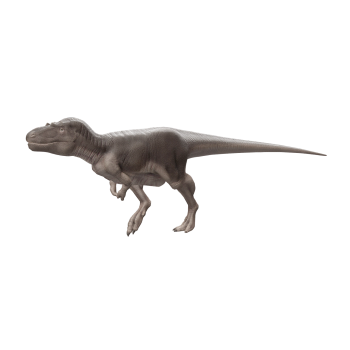
Da-style turon (3D animated model)
191 View
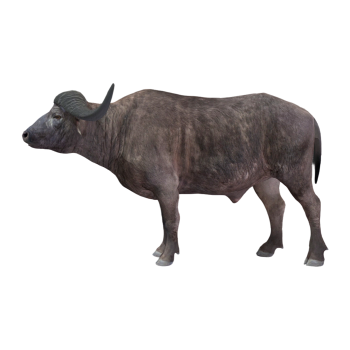
Buffalo (3D animated model)
181 View
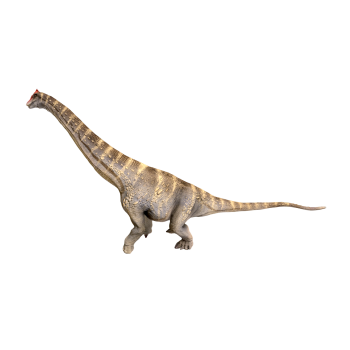
Aramoron (3D animated model)
144 View
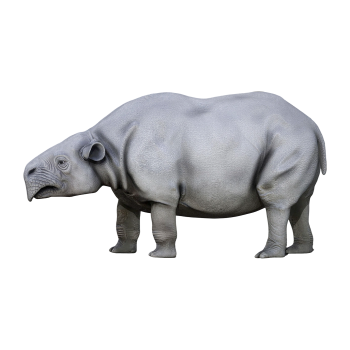
Red Fox (3D animated model)
153 View
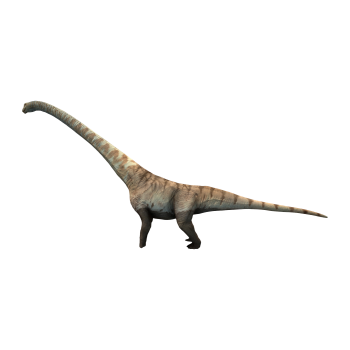
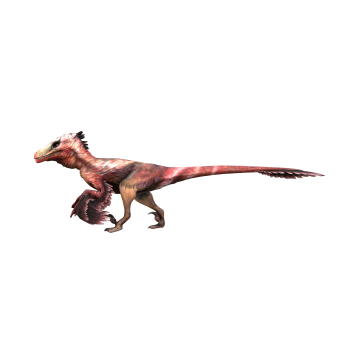
Raptor (3D animation model)
162 View
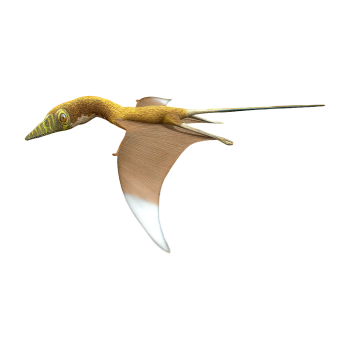
Sodslong (3D animated model)
124 View